Planning meals from pantry staples is a smart way to save time, reduce food waste, and stay on budget. With a well-stocked pantry and a little creativity, you can whip up tasty, satisfying dishes without making a special trip to the store. Whether you’re a busy professional, a student, or just looking to simplify your cooking routine, knowing how to plan meals using what’s already in your pantry can make a big difference. This guide will help you get organized, inspire you with ideas, and provide tips to make the most of your pantry staples.
What Are Pantry Staples?
Pantry staples are non-perishable food items you keep on hand to make meals at any time. These include dry goods, canned items, spices, and longer-lasting ingredients. Some common pantry staples include:
– Rice, pasta, and grains (quinoa, couscous)
– Canned beans and lentils
– Canned tomatoes and sauces
– Broth or stock (boxed or canned)
– Flour, sugar, and baking essentials
– Oils and vinegars
– Spices and herbs
– Nut butters and canned tuna or chicken
Having these basics in your kitchen means you can quickly pull together meals even when fresh groceries run low.
Step 1: Take Inventory of Your Pantry
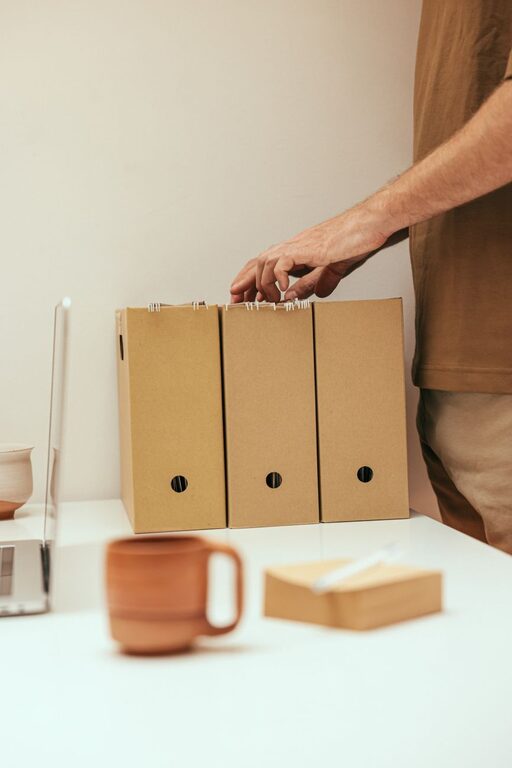
Before planning meals, it’s important to know what you already have. Taking a detailed inventory will avoid duplicate purchases and help you identify what needs using soon.
– Empty your pantry shelves: Take everything out so you can see it clearly.
– Check expiration dates: Toss anything that’s expired or no longer good.
– Group similar items: Put all canned vegetables together, grains together, spices together, etc.
– Make a list: Write down quantities and types of staples you have.
Keeping an updated pantry inventory—either on paper or with a smartphone app—makes meal planning faster and more efficient.
Step 2: Choose Meals Based on Your Staples
With your inventory in hand, start thinking about the types of meals you can make. Focus on simple recipes that use multiple pantry staples for convenience and flavor.
Ideas for meals from pantry staples:
– Pasta with tomato sauce: Use canned tomatoes, dried pasta, olive oil, and spices.
– Rice and beans: Combine canned beans, rice, broth, and seasonings.
– Soup or stew: Use broth, canned vegetables, beans or lentils, and grains.
– Stir-fry: Use canned chicken or tuna with rice and frozen or canned vegetables.
– Baked goods: Use flour, sugar, and baking powder to make quick breads or muffins.
Look for recipes that allow flexibility so you can swap ingredients depending on what’s available.
Step 3: Plan Your Weekly Meals
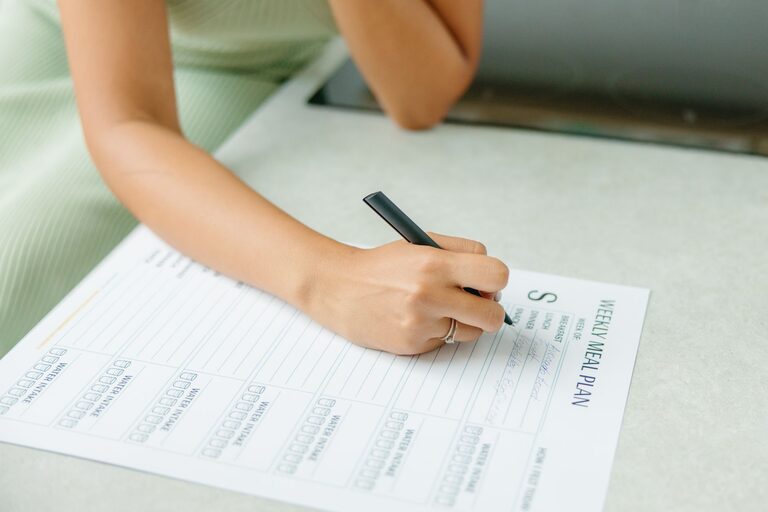
Once you know what meals you want to make, map them out for the week. Writing a meal plan helps reduce stress and shopping trips.
– Start simple: Plan two or three meals that use similar ingredients to avoid waste.
– Mix it up: Include some fresh items if you can, like fresh vegetables or fruits.
– Plan leftovers: Make extra portions to save for lunch or dinner later in the week.
– Add snacks and sides: Think about what you can pair with your main dishes.
Using your pantry list, check if any ingredients are missing and make a concise shopping list if needed.
Step 4: Organize Your Pantry for Easy Access
An organized pantry makes meal prep easier and more enjoyable.
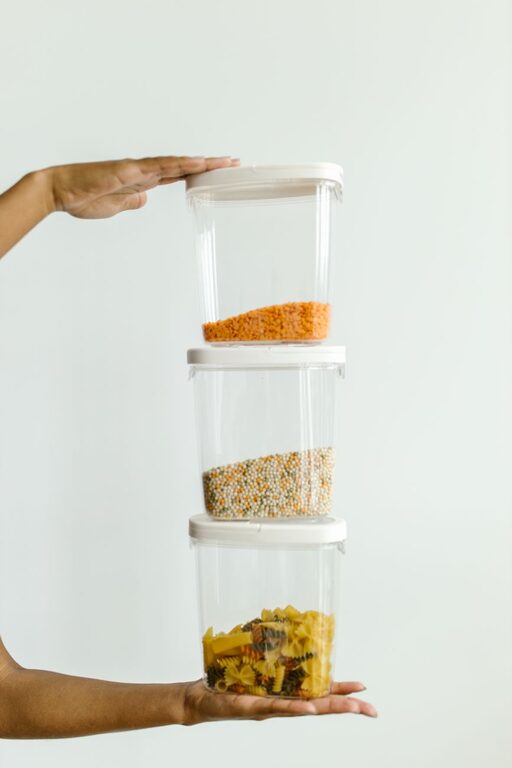
– Use clear containers: Transfer grains, flours, and cereals into clear jars or bins.
– Label everything: Use labels for easy identification.
– Store similar items together: Keep baking supplies, canned goods, and snacks in separate zones.
– Place frequently used items at eye level: This speeds up meal prep.
– Rotate stock: Put older items in front so they get used first.
A tidy pantry encourages cooking from staples and reduces impulse purchases.
Step 5: Tips for Cooking with Pantry Staples
– Rinse canned beans and vegetables: Reduces sodium and improves taste.
– Combine dry and fresh ingredients: Add fresh herbs, veggies, or protein to boost flavor.
– Use spices generously: Spices can transform simple dishes.
– Batch cook: Prepare large quantities and freeze for quick meals.
– Experiment: Don’t be afraid to tweak recipes based on what you have.
Sample Meal Plan Using Pantry Staples
| Day | Meal | Pantry Staples Used |
|———–|————————————-|—————————————|
| Monday | Spaghetti with tomato sauce | Pasta, canned tomatoes, olive oil |
| Tuesday | Black bean and rice bowl | Rice, canned black beans, spices |
| Wednesday | Lentil soup | Lentils, broth, canned vegetables |
| Thursday | Tuna salad pita | Canned tuna, pita bread, olive oil |
| Friday | Chickpea curry | Canned chickpeas, canned tomatoes, spices|
Feel free to switch days or adjust ingredients based on what you have.
Final Thoughts
Planning meals from pantry staples is a valuable skill that saves time, money, and effort. By keeping a well-stocked pantry, maintaining an inventory, and organizing your space, you’ll always have the ingredients you need to create delicious meals. With a bit of planning and creativity, pantry staples can be the foundation of a varied and satisfying menu.
Happy cooking!
About the Author