
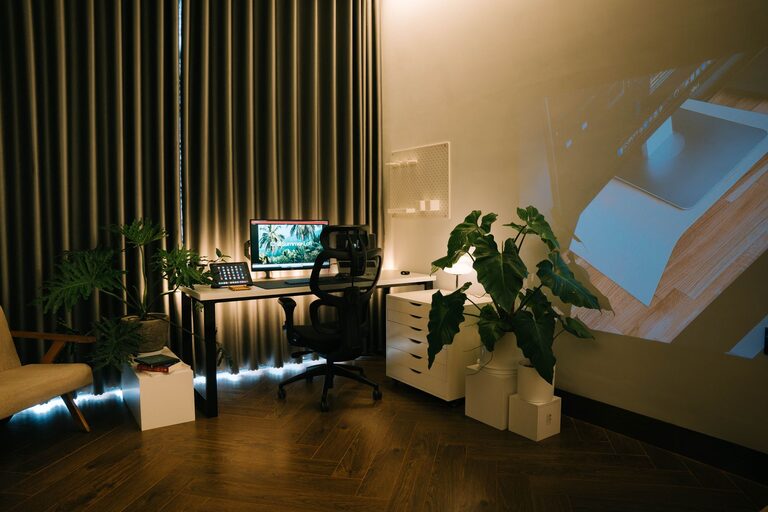
Creating a relaxing home workspace is essential for maintaining focus and well-being, especially as more people work remotely. A space that feels calm and organized can help reduce stress and increase productivity. Whether you have a dedicated room or a small corner, some thoughtful changes can transform your work area into a serene retreat.
Why a Relaxing Workspace Matters
Your environment directly impacts your mindset and work quality. A cluttered or noisy area can distract you, while a peaceful, comfortable setup encourages concentration and creativity. Designing a workspace that feels inviting and stress-free can improve your overall work experience and help keep burnout at bay.
Choosing the Right Location
Find a Quiet Spot
If possible, pick a quiet area with minimal foot traffic. This helps reduce interruptions and background noise. If you share your living space, consider a room with a door or use noise-cancelling headphones.
Consider Natural Light
Natural light not only brightens your workspace but also elevates your mood. Position your desk near a window to take advantage of daylight. If this isn’t possible, use soft, warm artificial lighting to reduce eye strain.
Furniture and Ergonomics
Invest in a Comfortable Chair
A supportive chair with adjustable height and good lumbar support is key. Sitting comfortably helps prevent back pain and allows for longer focus periods.
Choose the Right Desk
Your desk should be spacious enough to hold your essentials without feeling cramped. Adjustable desks that allow standing and sitting can add variety and improve posture.
Organize with Storage
Use shelves, drawers, or organizers to keep supplies tidy. A clutter-free surface reduces distractions and makes it easier to find what you need.
Personalizing Your Space
Add Calming Colors
Soft colors like blues, greens, and neutrals create a soothing atmosphere. Avoid overly bright or harsh tones that can be distracting.
Incorporate Plants
Plants purify the air and add a touch of nature. Even small succulents or a low-maintenance fern can boost your mood.
Display Meaningful Items
A few personal touches like photos, artwork, or motivational quotes can make your workspace feel welcoming and inspire you throughout the day.
Minimizing Distractions
Manage Technology
Keep only necessary devices on your desk. Use cable organizers to prevent tangled cords and reduce visual clutter.
Set Boundaries
Communicate your work hours to others in your home to minimize interruptions. Consider a “do not disturb” sign if you share the space.
Use Noise Management Tools
If noise is unavoidable, use white noise machines, calming music playlists, or noise-cancelling headphones to stay focused.
Creating a Relaxing Atmosphere
Practice Good Lighting Habits
Adjust your lighting to avoid glare on screens and reduce eye fatigue. Consider using a desk lamp with adjustable brightness.
Keep the Air Fresh
Ventilate your workspace regularly. Adding a small fan or air purifier can help maintain fresh air and improve comfort.
Include Comfortable Elements
A soft rug, cushioned footrest, or cozy blanket can add to the comfort of your workspace.
Maintaining Your Workspace
Daily Tidying Up
Spend a few minutes at the end of each day organizing your desk. This creates a fresh start for tomorrow.
Regular Decluttering
Every week or month, check for items you no longer need and clear them out. A minimalist approach can improve focus and reduce stress.
Update as Needed
Periodically reassess your setup. As your work habits change, adjust furniture, lighting, or decor to best support your needs.
Conclusion
Creating a relaxing home workspace involves more than just picking a desk and chair. By considering location, ergonomics, personal touches, and routines, you can build an environment that supports both productivity and well-being. With a calming, organized space, working from home becomes a more enjoyable and effective experience. Try implementing these tips and watch your focus and comfort improve each day.
About the Author