Managing paper clutter can quickly become overwhelming in any household. Bills, receipts, mail, school papers, and manuals pile up, creating stress and disorder. Fortunately, reducing paper clutter is achievable with some simple, effective strategies. This post will guide you through easy ways to manage paper and keep your home tidy.
Why Paper Clutter Builds Up
Paper clutter often accumulates because we receive it daily and tend to postpone sorting it. Without a system for handling incoming papers, they collect on desks, counters, and drawers. Understanding the reasons behind clutter helps develop better habits to prevent it.
Create a Paper Sorting Station
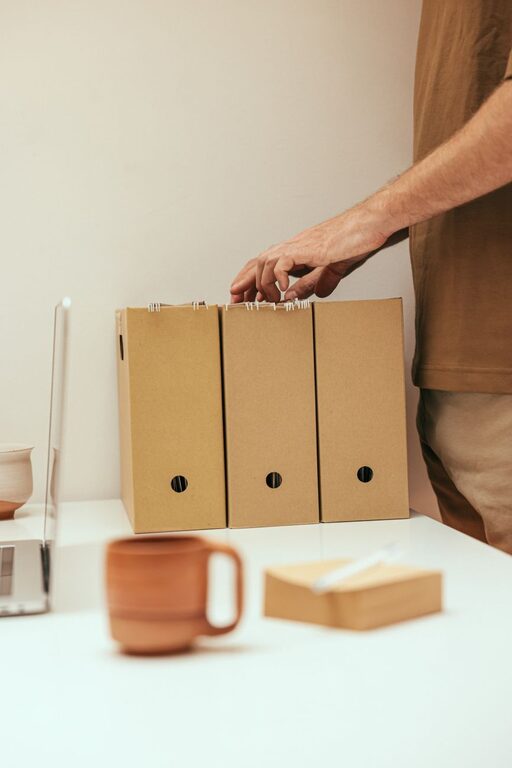
Start by designating a specific spot for incoming papers. This can be a tray, basket, or file holder placed near the entryway, kitchen counter, or home office. The goal is to immediately gather all papers in one place instead of scattering them around the house.
How to Set Up Your Paper Station
– Choose a flat surface or small organizer.
– Label compartments: “To File,” “To Pay,” “To Read,” “To Recycle.”
– Empty and sort the station daily to avoid pile-up.
Go Digital Whenever Possible
Switching to digital documents reduces physical papers greatly. Many companies offer electronic bills, statements, and receipts, which are easier to store and organize.
Tips for Going Paperless
– Sign up for e-billing and online statements.
– Scan important documents and save them in organized folders on your computer or cloud storage.
– Use apps to track receipts and warranties digitally.
Regularly Declutter and Recycle
A set schedule for decluttering papers helps maintain control over clutter. Even spending 5 to 10 minutes a day or once a week sorting and discarding unnecessary papers can make a big difference.
What to Recycle or Shred
– Junk mail and flyers
– Expired coupons
– Old bills and statements past tax or warranty periods
– Duplicates and outdated manuals
Shredding sensitive documents protects your privacy and prevents identity theft.
Use a Simple Filing System
For papers you must keep, a straightforward filing system keeps them accessible and organized. Avoid complicated setups that require too much time to maintain.
Filing System Ideas
– Use labeled folders for categories: bills, taxes, warranties, medical, school.
– Sort files by year or type for quicker retrieval.
– Store files in a portable file box or drawer for easy access.
Manage Mail Efficiently
Mail can be a major source of paper clutter if left unchecked. Develop habits to control mail as soon as it arrives.
Mail Management Tips
– Open mail daily and deal with it immediately.
– Recycle unnecessary junk mail before it enters your home.
– Keep a shredder handy for sensitive materials.
– Sort important mail into your paper station.
Reduce Paper Use in the Household
Preventing paper clutter starts with reducing paper use. Simple changes can cut down on paper waste and clutter.
Ways to Reduce Paper Consumption
– Use reusable shopping bags and cloth napkins.
– Opt for cloth towels instead of paper towels.
– Encourage family members to think before printing.
– Keep digital notes instead of paper lists.
Set Up a Command Center
A family command center helps keep everyone informed and papers organized in one spot.
What to Include in Your Command Center
– Calendar for appointments and events
– Mail sorter or inbox trays
– Important contact lists
– Whiteboard or bulletin board for notes
Having a central place for paper management reduces clutter throughout the home.
Tips for Maintaining Paper Organization
– Schedule weekly reviews to clear and organize papers.
– Involve family members in managing their own papers.
– Keep supplies like pens, labels, and folders nearby.
– Celebrate small wins to stay motivated.
Conclusion
Reducing household paper clutter doesn’t have to be complicated. By creating designated paper stations, going digital, recycling regularly, and maintaining simple systems, you can enjoy a more organized and stress-free home. Start with one or two tips today and build habits that keep your household clutter-free over time.
About the Author