
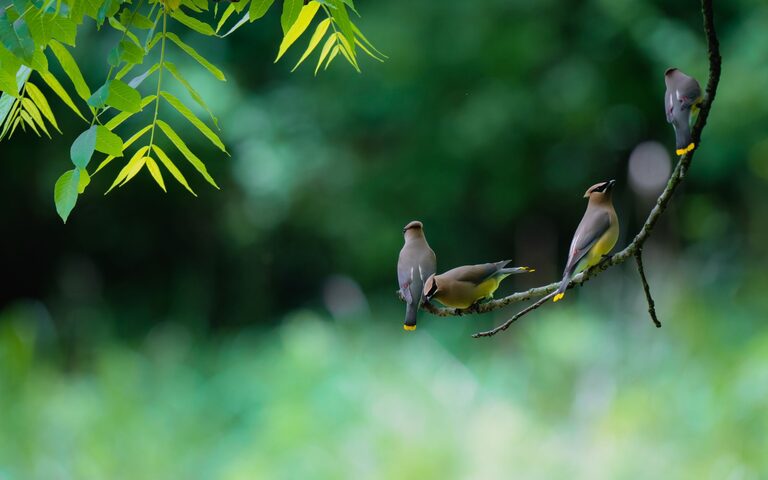
Birdwatching is a rewarding hobby that brings you closer to nature and provides moments of relaxation. You don’t need to travel far or invest in expensive gear to begin; your own backyard can become a vibrant spot for watching birds. If you’re new to birdwatching, this guide offers beginner-friendly tips to help you get started, attract a variety of birds, and enjoy this peaceful pastime.
Why Choose Backyard Birdwatching?
Backyard birdwatching is convenient and accessible. It allows you to observe birds in their natural habitat without the need for a long trip. It’s also a fantastic way to learn about local wildlife and appreciate the diversity of your region’s bird species.
Getting Started: What You Need
1. Basic Equipment
You don’t need much to begin. Here are some essentials:
– Binoculars: A good pair of binoculars helps you see birds clearly without disturbing them. Look for lightweight models with moderate magnification like 8x or 10x.
– Field guide or bird identification app: These tools help you identify birds by their appearance and sounds.
– Notebook or journal: Recording your sightings can be fun and educational.
– Bird feeder and birdbath: Attract more birds to your yard with food and water.
2. Choose a Comfortable Spot
Pick a place in your backyard where you can sit or stand quietly for long periods. Consider placing a chair or a small bench near the feeding area. Remember to stay still and be patient, as sudden movements can scare birds away.
Attracting Birds to Your Backyard
1. Provide Food
Different bird species prefer various types of food. Here are some common options:
– Seeds: Black oil sunflower seeds attract many types of birds, including finches and cardinals.
– Nectar: Hummingbirds love nectar feeders filled with sugar water (four parts water to one part sugar, no red dye needed).
– Suet: Great for woodpeckers and nuthatches, especially in colder months.
2. Offer Fresh Water
Birds need water for drinking and bathing. A birdbath or shallow dish filled with clean water can make your backyard more inviting. To keep birds safe, change water regularly and keep the bath clean.
3. Provide Shelter
Shrubs, trees, and bushes give birds places to rest and hide from predators. Native plants are especially beneficial because they attract insects that birds eat and provide natural nesting sites.
Learning to Identify Birds
1. Observe Colors and Shapes
Start by noticing size, color patterns, and distinctive markings. Pay attention to beak shape and tail length, which can help you narrow down species.
2. Listen to Bird Calls and Songs
Bird sounds are unique to each species. Using a bird app or recording calls can help you become familiar with different bird voices.
3. Use a Field Guide or App
A good guidebook or phone app will help you compare your observations with pictures and descriptions. Many apps allow you to log sightings and share them with a community of birdwatchers.
Birdwatching Etiquette
– Be patient and quiet: Sudden noises can scare birds away.
– Respect wildlife: Do not try to touch or handle birds.
– Keep feeders clean: Prevent the spread of diseases by regularly cleaning feeders and birdbaths.
– Avoid using pesticides: Chemicals can harm birds and reduce their natural food sources.
Tips for Better Birdwatching Experiences
– Watch during early morning or late afternoon when birds are most active.
– Keep a steady pace when moving around the yard.
– Use camouflage or wear neutral colors to blend in with the environment.
– Join a local birdwatching group or online community to learn from others and share your experiences.
Conclusion
Backyard birdwatching is an enjoyable and accessible way to connect with nature. By providing food, water, and shelter, and learning some basic identification skills, you’ll soon be rewarded with colorful and fascinating visitors right outside your door. The key is patience, quiet observation, and a genuine interest in the wildlife around you.
Happy birdwatching!
About the Author